Romantic Sabilla: A Script Font for Digital Design
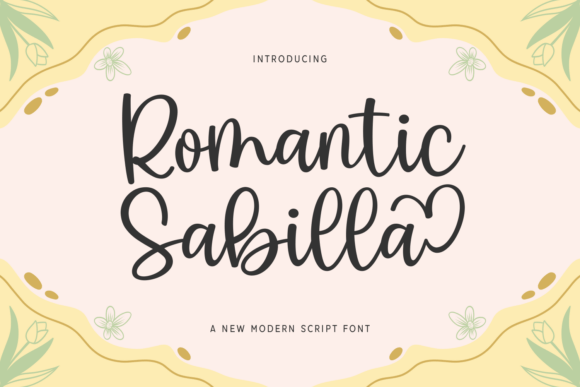
When building a digital experience, every pixel contributes to the story you tell. The font you choose for headers, hero sections, and brand marks sets the emotional tone before a single word is read. Romantic Sabilla is a sweet and modern script font that brings a playful, heart-themed touch to web layouts. Its flowing letterforms and charming personality make it a compelling choice for designers who want to inject warmth and elegance into digital products without sacrificing clarity.
As a web designer, I often reach for script fonts when a client’s brand identity calls for a human, approachable feel. Romantic Sabilla fits that brief perfectly. It strikes a balance between decorative flair and readability, which is essential when you’re working with responsive layouts, varied screen sizes, and content that needs to guide the user’s eye naturally. Whether you’re designing a boutique online store, a coaching website, or a creative portfolio, this typeface can elevate the visual hierarchy and reinforce your brand voice.
Visual Characteristics and Digital Appeal
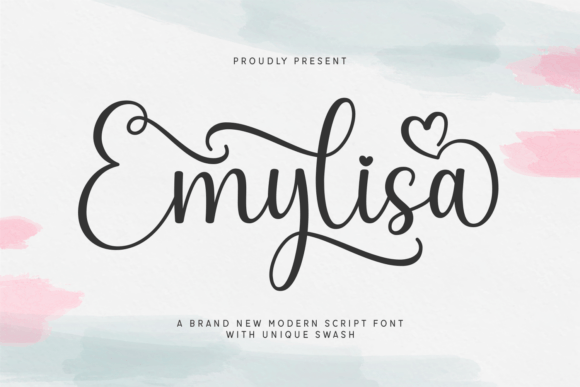
Romantic Sabilla belongs to the Script Amp category, and it carries the hallmarks of a well-crafted handwritten font. The letters are fluid and connected, with gentle curves and subtle variations in stroke weight. What sets it apart is the heart-themed details woven into the design—small flourishes that echo romantic motifs without overwhelming the text. This makes it ideal for love letters, wedding invitations, and romantic branding, but it also works surprisingly well in digital contexts where you want to convey sincerity and care.
From a digital design perspective, the font’s personality is warm and inviting. It avoids the overly ornamental trap that some script fonts fall into, keeping its charm legible even at moderate sizes. For a modern typography toolkit, Romantic Sabilla offers a distinctive voice that pairs well with clean, minimal layouts. It’s not a font you would use for long body copy, but for hero titles, section headings, and call-to-action buttons, it creates instant visual interest.
Using Romantic Sabilla in Web Layouts
In practice, Romantic Sabilla shines when applied to short, impactful phrases. I’ve used it for:
- Hero section headlines: A single line like “You Are Invited” or “Love in Every Detail” sets the mood immediately. The script’s flow draws the eye and encourages scrolling.
- Call-to-action buttons: Paired with a simple sans serif font for the surrounding text, Romantic Sabilla on a button label adds a human touch. It works especially well for “Get Started,” “Join Us,” or “Shop the Collection.”
- Logo text and brand marks: For small businesses or personal brands, using this font as the primary logotype creates a memorable, approachable identity. It scales well on both desktop and mobile when kept at display sizes.
- Online store banners: Ecommerce sites selling gifts, wedding supplies, or home decor can use Romantic Sabilla for promotional banners. It complements product photography and draws attention without competing with the images.
- Blog headers and social media graphics: A playful script headline can transform a standard blog post into something more personal. It also works beautifully in Instagram stories, Pinterest pins, and YouTube thumbnails where brand consistency matters.
Practical Example: A Boutique Online Store
Imagine you’re designing a landing page for a small shop that sells handmade candles. The brand voice is romantic, cozy, and intentional. You could use Romantic Sabilla for the main headline: “Hand-Poured with Love.” Beneath that, a clean sans serif font like Open Sans or Montserrat handles the product descriptions and navigation. The contrast between the flowing script and the neutral body copy creates a clear visual hierarchy—the user immediately knows where to look first. For mobile screens, the headline remains readable because the font’s letterforms are distinct and not overly condensed.
Readability and Responsive Design Considerations
One concern with script fonts on the web is legibility at small sizes. Romantic Sabilla handles this better than many alternatives. The open counters and consistent letter spacing mean that even at 24–36px on a mobile device, the text remains recognizable. However, I recommend reserving this font for display purposes—headings, short phrases, and decorative accents—rather than body text. For paragraphs, testimonials, or product details, pair it with a reliable serif font or sans serif font to maintain reading comfort.
When using Romantic Sabilla on dark backgrounds or image overlays, pay attention to contrast. A light-colored script on a dark photo can be stunning, but you may need to add a subtle text shadow or background tint to ensure legibility. On light backgrounds, the font’s natural contrast is sufficient. For responsive layouts, test the font at various breakpoints. At very small screen sizes (below 320px), consider bumping up the font size slightly to preserve readability.
Font Pairing for Digital Identity
Pairing Romantic Sabilla with complementary typefaces strengthens your overall design. Here are a few combinations I’ve found effective:
- With a thin sans serif: A light-weight sans serif like Lato Light or Roboto Thin creates an elegant, airy feel. Use the sans for body copy and secondary headings, while Romantic Sabilla takes the lead in hero titles.
- With a classic serif: For a more editorial or luxury look, pair Romantic Sabilla with a serif font such as Playfair Display or Cormorant Garamond. The serif adds authority and structure, while the script brings warmth.
- With a modern geometric sans: Fonts like Poppins or Raleway offer a clean, contemporary contrast. This pairing works well for tech-enabled brands that want to soften their digital presence with a human touch.
When pairing, keep the number of typefaces to two or three at most. Romantic Sabilla should remain the focal point, so limit its use to one or two hierarchical levels per page—typically the main heading and perhaps a decorative subheading or pull quote.
Digital Products and Brand Assets
Beyond websites, Romantic Sabilla is an excellent addition to your design assets collection. If you create digital templates for Canva, Adobe Express, or social media schedulers, this font can give your templates a consistent, romantic identity. For online courses or digital products, using it on sales pages and course materials helps establish an emotional connection with your audience. A coaching website, for example, might use the font for the headline “Transform Your Relationship” and pair it with a calming color palette to build trust.
For brand identity projects, Romantic Sabilla can be the cornerstone of a cohesive visual system. Use it on the website, in email headers, and on social media graphics. Consistency across touchpoints reinforces brand recognition and professionalism. When clients see how the font translates from a print invitation to a mobile landing page, they appreciate the versatility.
Technical Considerations for Web Use
Before integrating Romantic Sabilla into a live project, check the file formats available. Most premium fonts come in WOFF and WOFF2 for web use, along with OTF or TTF for print and offline applications. If you’re using a platform like Webflow, Shopify, or WordPress, you can upload the webfont files directly or reference them via a hosted service. Ensure the licensing covers web embedding—commercial licensing is essential for client projects, online stores, landing pages, and digital templates. Using a font without proper rights can lead to legal issues and undermine your professional credibility.
Also verify whether the font includes stylistic alternates, ligatures, or multilingual support. Some script fonts have limited character sets, which may be an issue if your content uses accented characters or non-English languages. Romantic Sabilla’s design suggests it handles standard Latin well, but always test with your actual content before finalizing a design.
Building Trust and Engagement Through Typography
Typography directly influences how users perceive your brand. A well-chosen script font like Romantic Sabilla can convey thoughtfulness, creativity, and attention to detail—qualities that build brand trust and encourage user engagement. When a visitor lands on a page and sees a carefully crafted headline, they subconsciously register that the brand cares about quality. This impression carries through to their decision to explore further, sign up, or make a purchase.
For conversion-focused layouts, place Romantic Sabilla where you want to create emotional impact: above the fold, on hero banners, or near the primary call-to-action. Keep the surrounding design simple, with plenty of white space, so the script doesn’t feel crowded. On product landing pages, use it sparingly to highlight key phrases like “Limited Edition” or “Made with Love.” Overusing a display script can dilute its effect, so restraint is key.
A Note on Mobile and Accessibility
Mobile users now account for the majority of web traffic. Script fonts can be tricky on small screens, but Romantic Sabilla holds up well when sized appropriately. I recommend a minimum of 28px for headings on mobile and 18px for any decorative text that appears near buttons or navigation. Avoid using the font for link text or menu items, as those elements need maximum clarity. For accessibility, ensure color contrast meets WCAG guidelines when placing the font over images or colored backgrounds.
In summary, Romantic Sabilla is a versatile script font that brings a romantic, modern feel to digital projects. It supports visual hierarchy, enhances brand personality, and pairs well with clean body fonts. Whether you’re designing a wedding website, a boutique store, a coaching page, or a creative portfolio, this typeface can help you tell a more engaging story. Just remember to use it deliberately, test it across devices, and secure proper licensing for commercial use. With the right approach, Romantic Sabilla becomes a valuable tool in your web design arsenal—one that adds genuine character without compromising function.